
5 Signs It's Time to Help a Loved One Find Alternative Transportation
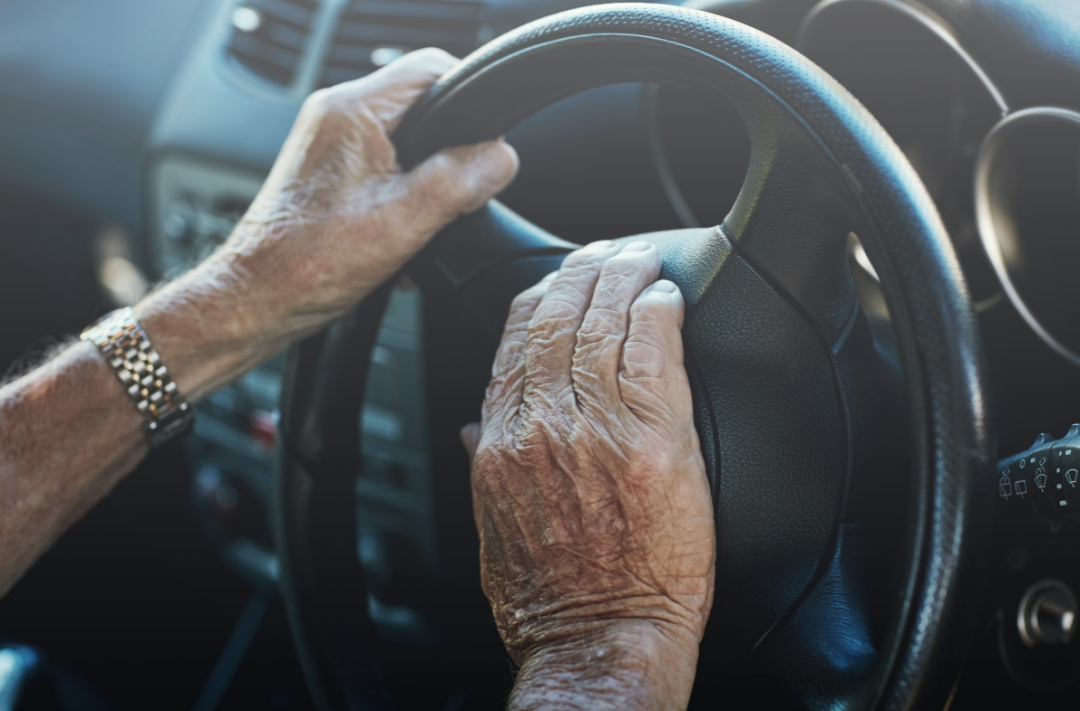
Nobody wants to be the one who takes away a parent's car keys. For most families, a driver's license represents independence, and bringing up the topic can feel like the first real sign that the roles between parent and child have started to reverse. But waiting too long to have this conversation puts your loved one, and everyone else on the road, at real risk.
The good news is that giving up driving does not have to mean giving up independence. Here are five signs it may be time to start the conversation, along with a way to help your loved one stay mobile, connected, and confident once they are no longer behind the wheel.
1. New dents, scrapes, or scratches on the car
A parent who has always taken pride in their car but now has unexplained damage on the bumper, mirrors, or curb rash on the wheels may be having trouble judging distance or reaction time. One or two incidents can happen to anyone. A pattern is worth paying attention to.
2. Getting lost on familiar routes
Confusion on a drive your loved one has made hundreds of times, such as to church, the grocery store, or a longtime friend's house, is one of the clearest warning signs. It can point to changes in memory or spatial awareness that make driving unsafe, even on routes that feel automatic.
3. Slower reactions and more close calls
Stories about near misses, sudden braking, or difficulty merging in traffic should not be brushed off as bad luck. Slower reflexes are a normal part of aging, and they matter most behind the wheel, where a split second can be the difference between a close call and a collision.
4. Growing anxiety about night driving or bad weather
Many older adults quietly start limiting themselves, avoiding highways, refusing to drive after dark, or canceling plans when rain is in the forecast. This kind of self limiting is often a sign that, on some level, they already sense their driving is not what it used to be.
5. Friends and family start finding reasons not to ride along
If you or other relatives have started offering to drive instead of riding with your loved one, and no one has said why out loud, that silence is itself a signal. Trust the instinct. Chances are you are not the only one who has noticed.

Starting the conversation
Lead with concern, not control. Instead of "You need to stop driving," try "I want to make sure you can still get everywhere you need to go, safely." Bring a specific, positive alternative to the conversation so the discussion is about a solution, not just a loss.
A local option that protects independence
This is exactly why Aging Forward Durham exists. We provide free, volunteer driven round trip transportation to medical and dental appointments for older adults living north of I-85 in Durham, along with the social connection that comes from a friendly, familiar face at pickup and drop off. Giving up the keys does not have to mean giving up appointments, independence, or peace of mind.
If your family is starting this conversation, we would love to help. Contact Aging Forward Durham at agingforwarddurham@gmail.com or (919) 489-2217 to learn more about scheduling a ride.