
Beyond the Ride: How Social Connection Affects Senior Health in North Durham
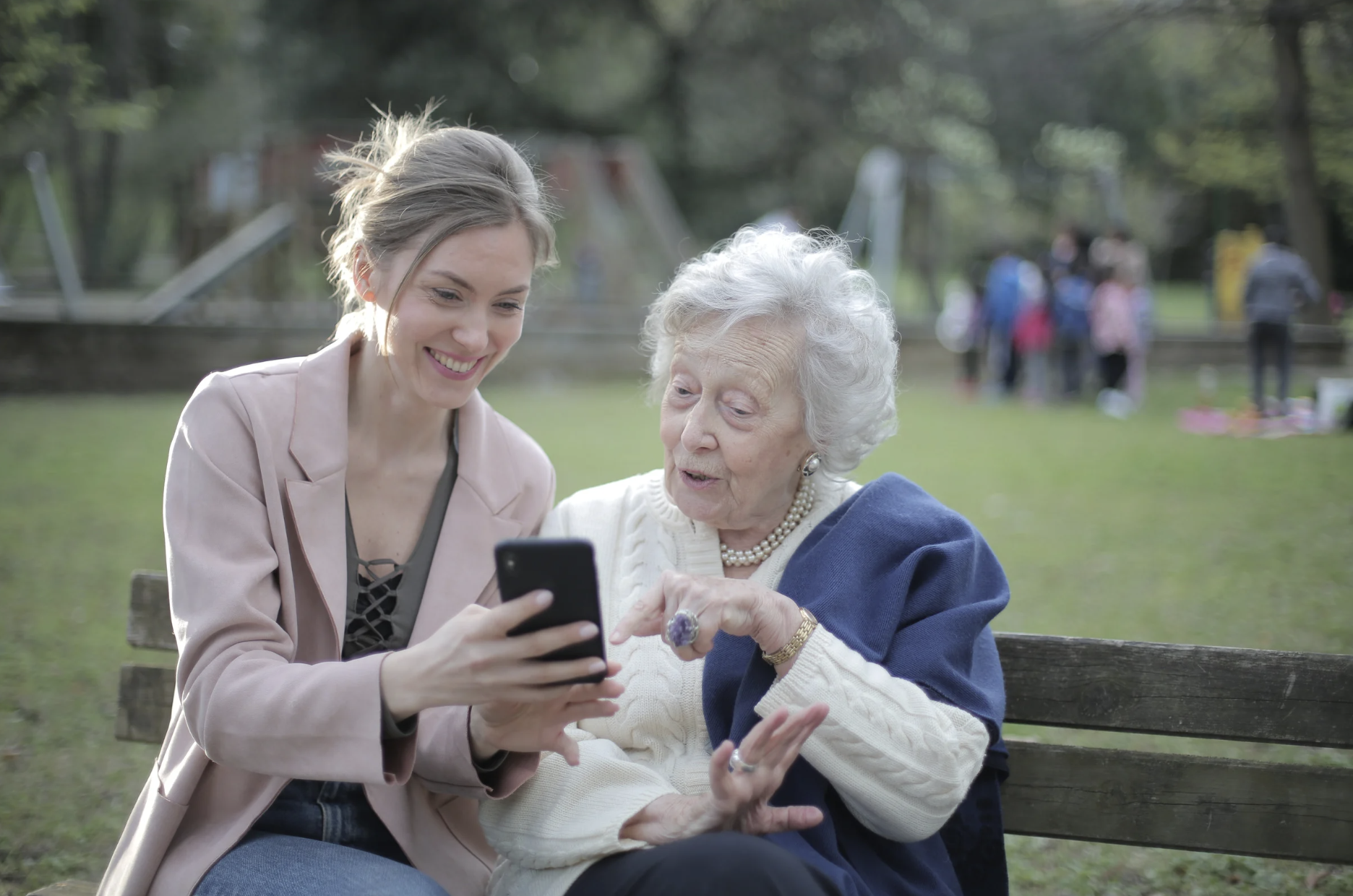
When people think about Aging Forward Durham, they usually think about the ride: a volunteer driver, a car, a trip to a medical appointment. That part of the mission is real and necessary. But the ride is only half the story. The other half is what happens along the way, and increasingly, researchers say that part may matter just as much for a person's health.
The hidden health risk of isolation
According to the National Institute on Aging, roughly 28 percent of older Americans, about 13.8 million people, live alone. Not everyone who lives alone experiences loneliness, but for those who do, the physical health consequences are significant. Research links chronic loneliness and social isolation to higher rates of high blood pressure, heart disease, obesity, weakened immune function, anxiety, depression, cognitive decline, and even Alzheimer's disease.
Dr. Steve Cole, a researcher whose work is cited by the National Institute on Aging, put it bluntly: loneliness acts like a fertilizer for other diseases. His research suggests that chronic loneliness can accelerate plaque buildup in the arteries, help certain diseases grow and spread, and promote inflammation linked to Alzheimer's disease.
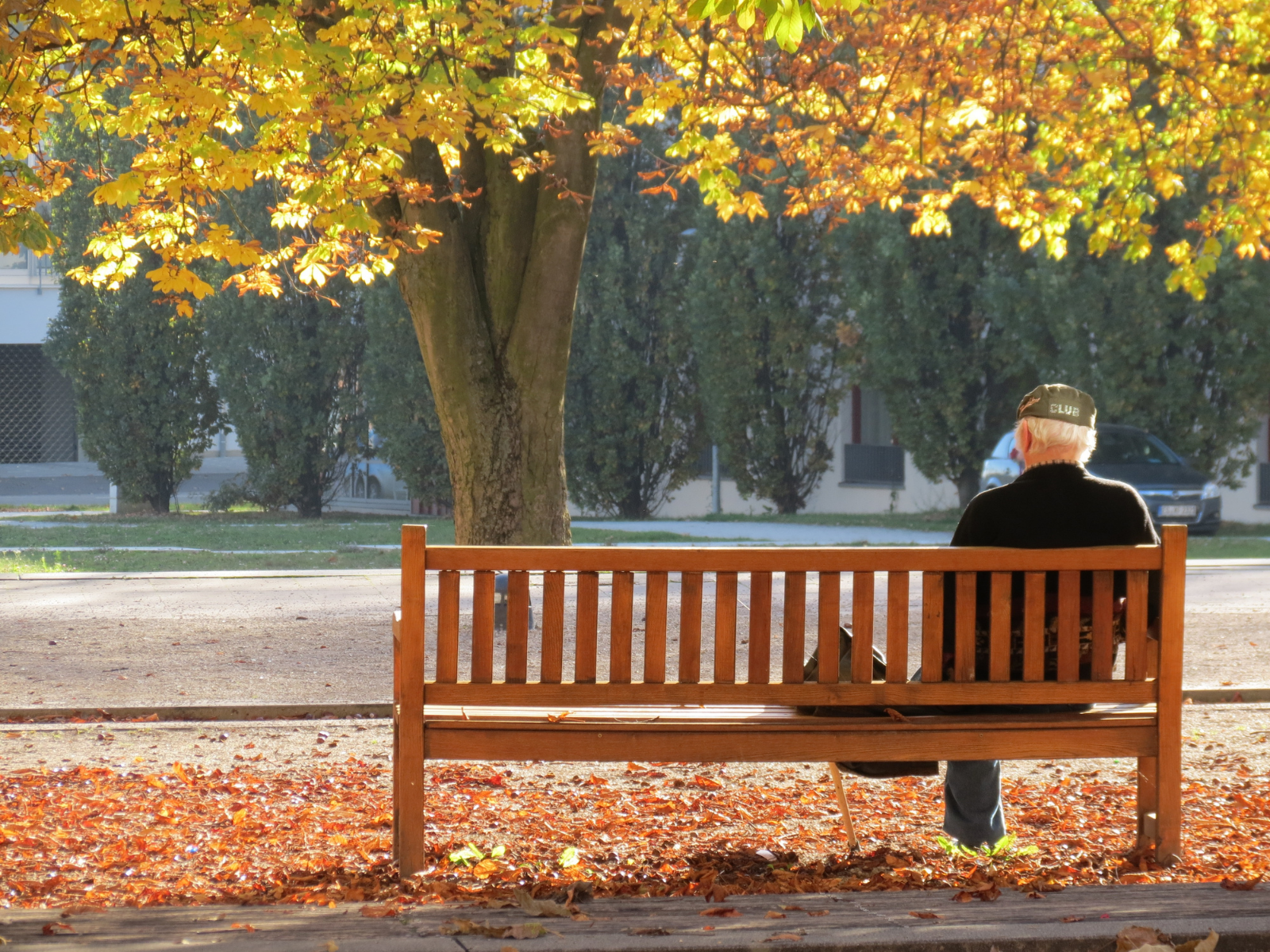
In other words, isolation is not just an emotional experience. It is a measurable, physical health risk.
Why this hits differently in North Durham
For older adults north of I-85, the barriers to staying connected are often practical, not personal. Limited public transit options, longer distances to grocery stores and medical campuses, and fewer sidewalks or walkable routes all make it harder to leave the house regularly, even for people who want to. Durham has recognized this gap in other ways too. GoDurham ACCESS launched a free senior shuttle to grocery stores after a community driven request, precisely because a lack of transportation was leaving some older residents without reliable ways to reach basic necessities.
When someone cannot easily get to a doctor's appointment, a church service, a senior center activity, or a friend's house, the effect compounds. Missed appointments turn into missed diagnoses. Missed social visits turn into missed conversations. Over months and years, a transportation gap can quietly become a health and isolation crisis.
Why Aging Forward Durham treats connection as part of the medicine
This is the thinking behind Aging Forward Durham's approach. Every ride is paired with a volunteer driver who is there to talk, to listen, and to be a familiar, friendly presence, not just a means of getting from one place to another. A fifteen minute drive to a cardiology appointment becomes a fifteen minute conversation. A wait in the pickup line becomes a chance to catch up. None of that shows up on an appointment calendar, but it may be doing just as much for a rider's long term health as the appointment itself.
Transportation access and social connection are not two separate problems for older adults. They are the same problem, seen from two angles. Solving one without the other leaves the job half finished.
If you know a senior in North Durham who could use a ride, a friendly face, or both, reach out to Aging Forward Durham at agingforwarddurham@gmail.com or (919) 489-2217.